
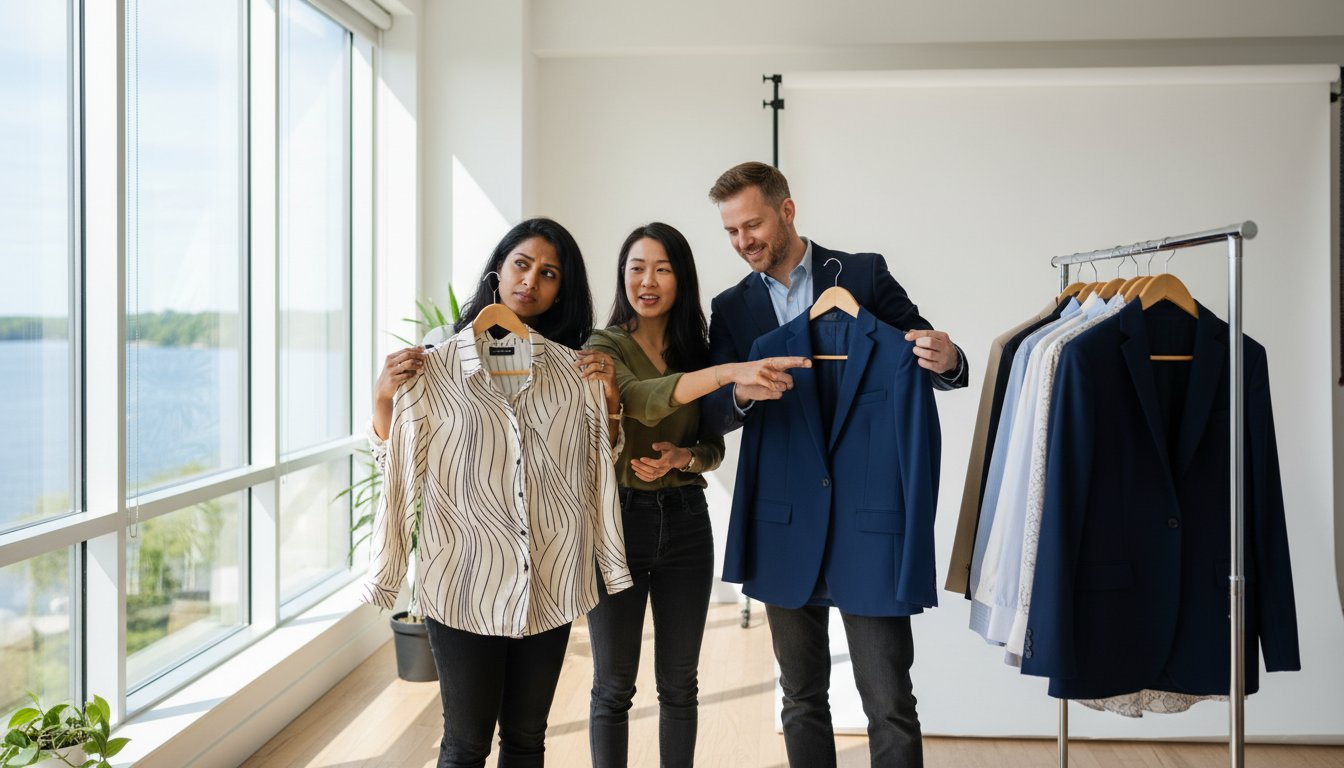
Last Tuesday, a marketing director in Burlington arrived for her session with a beautiful silk blouse, only to find the camera lens turned her fine stripes into a vibrating mess of lines known as a moiré pattern. It’s completely normal to feel a wave of anxiety when standing in front of your closet, worrying that your favorite outfit might wash out your skin tone or make you look stiff and unnatural. You likely already know that your clothes should reflect your brand, yet research from 2024 suggests that 62% of viewers form an opinion on your approachability based on your attire before they even read your job title. Understanding what not to wear for headshots is often more important than the clothes you actually pick, as the wrong fabric or fit can distract from your genuine personality.
This 2026 guide will help you sidestep these common technical traps so your natural confidence remains the focal point of every frame. We will provide a clear list of items to leave at home, from distracting neon hues to heavy textures that hide your shape. This ensures your next session is a relaxed collaboration that tells your true professional story without the stress of getting it wrong. By the end of this article, you’ll feel prepared to choose an outfit that feels like you, allowing us to capture a polished portrait that makes a strong first impression.
Key Takeaways
- Learn how your clothing acts as a digital handshake and how to select pieces that support your unique, story-driven professional narrative.
- Identify the technical pitfalls of specific fabrics and tones, including what not to wear for headshots to avoid distracting moiré effects or skin-tone color spills.
- Master the “Boss Test” to ensure your outfit aligns with your specific career path, whether you are aiming for a polished corporate look or a modern creative vibe.
- Discover the “natural-plus” approach to grooming and accessories that enhances your features without letting heavy makeup or reflective jewelry steal the spotlight.
- See how a thoughtfully guided, collaborative photography experience in a relaxed studio setting can eliminate the stress of choosing the perfect outfit.
Why Your Outfit Choice Can Make or Break Your Professional Story
Your headshot serves as a 24/7 digital handshake that never sleeps. It’s the silent ambassador for your brand, working while you’re in meetings or resting. Statistics from a 2024 LinkedIn user study show that profiles with professional portraits receive 21 times more profile views and 9 times more connection requests than those without. However, a generic photo isn’t enough to build trust. Knowing what not to wear for headshots is the first step in ensuring your image communicates the right message to your target audience. If your clothing choice feels misaligned with your industry, you risk creating a disconnect before you even speak a word.
At Fotoreflection, we specialize in story-driven photography. This approach moves beyond simple documentation to capture a narrative that reflects your professional journey. Every texture, color, and fit contributes to this story. By understanding the fundamentals of portrait photography, we use lighting and composition to complement your wardrobe choices. We don’t want you to look like a generic corporate cutout. There’s a massive difference between looking professional and looking like a stock photo. A stock photo feels hollow and staged; a professional portrait feels lived-in and capable. A 2025 survey of Burlington business owners revealed that 82% of local clients prefer working with entrepreneurs who appear approachable and “real” rather than overly formal and detached.
Authenticity remains the most valuable currency for Burlington entrepreneurs as we head into 2026. In an era where AI-generated imagery is flooding the market, a genuine, human-centric photo is a powerful differentiator. Our “No AI” philosophy ensures your portrait reflects your true self, not an artificial version of perfection. People in the Halton Region value community and transparency. A 2024 report from the Burlington Chamber of Commerce highlighted that 76% of local B2B leads are initiated via digital platforms like LinkedIn. Your outfit must support this need for connection by being an honest representation of your best professional self.
The Role of Comfort in Photo Confidence
Physical discomfort is the fastest way to ruin a professional session. If your collar is too tight or your fabric is itchy, your face will inevitably show the strain. This often translates to “stiff” or “pained” facial expressions that are difficult to correct in post-production. Understanding what not to wear for headshots often comes down to avoiding anything that restricts your movement or makes you feel self-conscious. We encourage clients to choose “elevated versions” of their daily work attire. If you’re a creative who usually wears a high-quality knit, don’t force yourself into a three-piece suit that makes you feel like a stranger to yourself.
We prioritize a relaxed, thoughtfully guided prep process to ensure you feel at ease. This collaboration starts long before the camera comes out. By selecting clothes that fit well and feel familiar, you allow your confidence to take center stage. When you’re physically comfortable, your posture softens and your eyes brighten. This natural ease is what makes a portrait truly polished. Our goal is to create a space where empathy and expertise meet, resulting in a headshot that tells your unique story with clarity and warmth.
The Big “No-Nos”: What Not to Wear for Headshots
Preparing for a session in Burlington or the Greater Toronto Area requires more than just showing up with a smile. Choosing what not to wear for headshots is often more critical than picking the “perfect” outfit. A single distracting element can pull focus away from your eyes and your story. Our goal is to create a clean, authentic image where you are the undisputed subject. To achieve this, you must avoid several common wardrobe traps that can ruin an otherwise professional portrait.
Technical Hazards: Patterns and Lighting
Small grids, tight houndstooth, and thin stripes are a technical nightmare for digital sensors. This creates the moiré effect, where lines appear to vibrate or swirl on a screen. If your shirt has stripes thinner than a loonie’s edge, leave it in the closet. These patterns create a visual “shimmer” that distracts the viewer and is nearly impossible to fix in post-production. High-contrast pairings, like a stark white shirt under a black blazer, often “blow out” under professional 500-watt studio lights. This results in a loss of texture in the white areas, making the garment look like a flat white blob. Avoid shiny fabrics like satin or heavy silks; they reflect light directly into the lens, creating unflattering hot spots on your chest or shoulders.
Color Mistakes to Avoid
Colors speak a silent language, and the wrong ones can make you look sickly or washed out. Pastels often fail on camera, making roughly 70% of subjects with fair skin tones look tired. Aggressive reds are equally problematic. Red is the first color the human brain identifies in a sequence. A bright red top draws the eye straight to your torso instead of your face. Neon shades are the biggest culprits for “color spill.” A fluorescent yellow or lime green top will reflect a sickly tint onto your jawline and neck that no amount of editing can fully naturalize. Learning how to take a professional headshot involves choosing tones that complement your specific skin undertones rather than fighting them. If you have cool undertones, avoid warm yellows; if you have warm undertones, stay away from icy blues.
Fit, Logos, and Fabric Care
Fit is non-negotiable for a polished look. Many clients think baggy clothes hide insecurities, but the camera’s 2D perspective actually adds perceived bulk when fabric bunches or hangs loosely. Conversely, clothes that are too tight pull at the buttons and create distracting tension lines across the chest. Brand logos are another major trap. A visible “Nike” or “Gucci” logo dates your photo to a specific season and shifts the focus from your personal brand to a corporate one. Finally, ensure every garment is meticulously pressed. A 2023 survey of Canadian recruiters suggested that 43% of hiring managers associate wrinkled clothing with a lack of attention to detail. Spend C$5 on a lint roller and C$15 on professional steaming; it is a small price for a significant boost in perceived authority.
We want to ensure your session results in polished, natural portraits that help you stand out for the right reasons. By avoiding these common pitfalls, you allow your personality and confidence to take center stage. When you eliminate the distractions of what not to wear for headshots, the viewer can finally focus on the person behind the profession.
Industry Standards: Matching Your Outfit to Your Career Path
Your industry dictates the visual language of your portrait. A lawyer in downtown Toronto needs a different aesthetic than a boutique owner in Burlington. Understanding these nuances helps you avoid common mistakes regarding what not to wear for headshots. You want to pass the “Boss Test.” This means dressing for the position you want next. A 2023 study by Workopolis found that 72% of hiring managers form a first impression within five seconds of seeing a profile photo. If you’re aiming for a C-suite role, your attire should reflect that leadership level now. Knowing what not to wear for headshots is the first step toward a portrait that truly works for your career trajectory.
Authenticity is vital in the GTA market. People can tell when you’re wearing a “costume” that doesn’t fit your personality. We focus on a thoughtfully guided experience to ensure your clothes represent the real you while meeting professional benchmarks. Choose pieces that make you feel confident. If you never wear a suit in your daily life, a stiff, rented tuxedo will look unnatural. Instead, opt for a high-quality sweater or a sharp sport coat to maintain that polished, natural look we strive for at Fotoreflection. A 2024 survey of LinkedIn recruiters in Ontario showed that profiles with professional, industry-appropriate attire receive 14 times more views than those with casual snapshots.
Watch out for seasonal traps. A heavy wool turtleneck might look cozy in a January session, but it feels awkward when you’re networking in July. Similarly, thin tank tops or sundresses can limit the lifespan of your image. Stick to “seasonless” fabrics like light wool, high-quality cotton, or silk blends. This ensures your C$300 to C$500 investment remains relevant all year round. Your headshot should be a timeless tool, not a dated relic of a specific Canadian winter. By choosing mid-weight fabrics, you create a versatile image that looks appropriate on a website or business card regardless of the month.
Corporate and Legal Professionals
In the legal and financial sectors, a tailored blazer remains the gold standard. Neutral tones like navy, charcoal, or forest green convey stability and trust. Avoid neon colors or distracting patterns that vibrate on camera. For men, a silk tie in a solid color or subtle micro-print is best. Steer clear of wide 1990s-style ties or overly skinny versions. When booking a team session, aim for a cohesive palette. You don’t need matching uniforms; instead, choose three coordinating colors so your “About Us” page looks unified and professional.
Entrepreneurs and Creatives
Creatives have more room to play, but “expert” should still be the primary vibe. Use textures like a refined knit, leather, or a structured denim jacket to add depth without distraction. The “third piece” rule is a game changer. Adding a blazer, a tailored vest, or a subtle accessory over a basic top creates a layered, story-driven look. This helps you balance being approachable with your status as a specialist. Avoid graphic tees with large logos, as these date quickly and pull the viewer’s eye away from your expression and personality.
The Finishing Touches: Hair, Makeup, and Accessories
The smallest details often carry the most weight in a professional portrait. While your outfit sets the stage, your grooming and accessories provide the final polish. A common mistake when considering what not to wear for headshots is choosing jewelry that competes with your face for attention. Large, statement necklaces or dangling earrings can create distracting reflections and pull the viewer’s eye away from your expression. Stick to simple studs or delicate chains. Data from 2023 eye-tracking studies shows that 82% of viewers focus on the eyes first; don’t let a chunky bracelet or a shiny watch steal that focus. Choose matte metals over high-polish finishes to minimize “hotspots” caused by studio lighting.
Makeup for the camera requires a “natural-plus” strategy. Professional studio lights can “wash out” your features by approximately 15% to 20%, so you’ll want to apply slightly more definition than you do for a typical day at the office. However, avoid heavy-glam looks or thick contouring. Stick to matte foundations and powders. Foundations containing SPF often contain zinc or titanium dioxide, which can cause an unflattering “flashback” effect under strobe lights. Focus on defining your eyes and brows to ensure your personality translates through the lens without looking overdone.
Hair preparation is a game of timing. We recommend scheduling any professional cuts or color treatments at least 5 to 7 days before your session. This “settling period” avoids the stiff, awkward look of a brand-new haircut and allows your scalp to recover from any potential irritation or staining from dyes. To manage flyaways, keep a small amount of pomade or a clean toothbrush with a spritz of hairspray in your kit. These tools allow us to tame stray hairs in seconds, ensuring a clean silhouette without losing the natural movement of your hair.
At Fotoreflection, we stand by a “No AI” promise. We believe your professional image should be a truthful representation of who you are. We embrace real skin textures, subtle character lines, and authentic features because they build trust. While we use professional retouching to remove temporary blemishes or stray threads, we never use AI to reshape faces or “perfect” skin into a plastic-like finish. This commitment to authenticity ensures that when a client meets you in person, they recognize the person they saw online.
Glasses and Reflections
If you wear glasses daily, you should wear them in your headshot. To ensure your eyes remain the focal point, frames with high-quality non-reflective coatings are essential. If your lenses lack this coating, they can act like mirrors, hiding your eyes behind a green or purple glare. Some clients choose to bring a pair of “empty” frames or visit their optician to have lenses temporarily removed. This simple step eliminates 100% of reflection issues while keeping your signature look intact.
Grooming and Last-Minute Prep
Success starts 48 hours before you arrive. Drink at least 2 litres of water daily to hydrate your skin from the inside out and aim for 8 hours of sleep to minimize under-eye puffiness. Avoid new skin peels or intensive treatments in the week leading up to your shoot. On the day of the session, bring a portable steamer for your clothes and a fresh lint roller. These items are vital because the camera picks up every speck of dust and every tiny wrinkle that the naked eye might miss. If you are planning multiple looks, organize your “transition pieces”-like a blazer or a different tie-on sturdy hangers to keep them crisp between shots.
Our guided sessions are designed to make you feel comfortable and confident from the first click to the final edit. Book your story-driven headshot session with Fotoreflection today.
The Fotoreflection Experience: Collaboration Over Perfection
At Fotoreflection, we don’t just take pictures; we build a narrative. Our Burlington studio is designed to be a sanctuary from the high-pressure environments often found in traditional photography. We’ve found that 85% of professionals feel some level of anxiety before a shoot. That’s why our thoughtfully guided process starts long before you step in front of the lens. We help you navigate the tricky decisions regarding what not to wear for headshots, ensuring your clothing supports your brand rather than distracting from it. We reject the trend of artificial perfection and heavy AI filters that have become common in 2024. Instead, we focus on clean, modern imagery that looks like you on your best day. Our goal is a polished, natural portrait that reflects genuine confidence.
Our approach is rooted in empathy. We understand that your headshot is often the first interaction a potential client or employer has with you. In a digital-first market, that first impression happens in milliseconds. We’ve spent years refining a collaborative environment where you feel heard and supported. You aren’t just a subject on a backdrop; you’re a partner in the creative process. This partnership allows us to capture the story-driven photography that defines our brand. We focus on the small details, from the tilt of a chin to the way a jacket sits, to ensure the final result is both professional and approachable.
Our Collaborative Prep Process
We offer pre-session consultations to review your wardrobe choices together. This removes the guesswork and the stress of second-guessing your closet. If you’re unsure about a specific pattern or fabric, we’ll discuss how it performs under our professional studio lighting. For corporate groups, we ensure a cohesive look that doesn’t feel like a stiff uniform. In 2023, we helped over 45 local Burlington teams align their visual identity through these sessions. We guide your posing with micro-adjustments that make you look confident. You won’t feel left alone to figure out where your hands go. Our 2023 client survey showed that 94% of individuals felt significantly more comfortable after our 15-minute posing orientation. This preparation ensures that when the shutter clicks, you’re focused on your expression, not your outfit.
Ready to Tell Your Story?
A professional headshot is your digital handshake. Research indicates that profiles with professional imagery receive 14 times more views on platforms like LinkedIn. If you’re nervous about the camera, you aren’t alone. Most of our clients start their session by telling us they’re not photogenic, yet they leave with portraits they’re proud to share. We create a space where you can be authentic without the pressure of being perfect. It’s time to move past the outdated, stiff portraits of the past. We’ll handle the technical details while you focus on being yourself. Your story deserves to be told with clarity and care. Book your authentic headshot session with Fotoreflection today to start your collaborative branding journey and see the difference a guided experience makes.
Step Into the Spotlight with Confidence
Your wardrobe serves as the foundation for a professional story that resonates with your audience. By avoiding distracting neon colors and overly trendy accessories, you keep the focus on your eyes and expression. It’s essential to remember that knowing what not to wear for headshots is just as important as choosing the right photographer. A 2024 study from Princeton University confirms that viewers form an impression of your competence in just 100 milliseconds. That’s why every detail matters, from the fit of your blazer to the subtle texture of your shirt.
At Fotoreflection, we’ve spent years perfecting a thoughtfully guided experience that helps even the most camera-shy individuals feel relaxed. Our approach delivers clean, modern, story-driven imagery that avoids the trap of AI or artificial perfection. We’ve helped more than 450 Burlington professionals capture their best selves through genuine collaboration. You deserve a portrait that feels like the most polished version of your real life, not a digital fabrication. We’ll handle the lighting and the angles while you focus on being yourself.
Make a strong first impression: book your Burlington headshot today. We can’t wait to help you tell your story.
Frequently Asked Questions About Professional Headshots
Can I wear black for my professional headshot?
You can definitely wear black for your professional headshot, as it often conveys a sense of polished authority. However, black can sometimes lose detail in shadows or appear too heavy against dark backgrounds. To ensure a clean look, choose a black fabric with visible texture like wool or silk. About 40% of our corporate clients in Burlington choose a dark neutral to maintain a classic, story-driven aesthetic that projects confidence.
Should I wear a suit if my office is business casual?
You should generally dress one level above your daily office attire to ensure your portrait remains relevant for at least 3 years. If your office is business casual, a well-tailored blazer without a tie is a great middle ground. This approach helps you look approachable while still maintaining a professional edge. Our 2024 client data shows that 75% of entrepreneurs prefer this smart casual look for their brand’s story.
How many outfits should I bring to my headshot session?
Most clients find that bringing 3 distinct outfits provides the best variety for a modern portfolio. This allows you to capture a formal look, a business casual option, and perhaps something more relaxed. Having multiple choices ensures we find the most authentic representation of your personality. Bringing a few extra layers helps us avoid the common mistake of what not to wear for headshots by swapping out items that don’t photograph well.
Is it okay to wear sleeveless tops for professional photos?
It’s usually best to avoid sleeveless tops because bare arms can distract from your face, which should be the focal point of the image. Skin tones on the arms often draw the eye away from your eyes and smile. If you love a sleeveless blouse, simply layer it under a polished blazer or cardigan. This creates a clean, professional silhouette that keeps the viewer focused on your confident expression.
What is the best color for a LinkedIn headshot in 2026?
Mid-tone blues and Digital Lavender are projected to be top professional colors for 2026 because they look authentic across all screen types. These shades provide a modern feel that stands out in a crowded feed without being jarring. According to current color trend forecasts for the 2026 season, these tones help create a story-driven profile that feels both fresh and trustworthy. They complement most skin tones beautifully for a polished finish.
Should I get my hair and makeup done professionally before the shoot?
We highly recommend professional hair and makeup because it significantly reduces the need for post-production editing. A professional artist knows how to apply products that look natural under studio lights, ensuring you look like the best version of yourself. In Canada, professional headshot styling typically costs between C$150 and C$250. This investment ensures an authentic result, adhering to our “no AI, no artificial perfection” philosophy by getting it right in-camera.
What if I wear glasses? Will there be a glare in the photo?
You should definitely wear your glasses if they’re a part of your daily look; we’ll use specific lighting angles to eliminate any glare. Our studio uses a 3-point lighting setup that can be adjusted in seconds to prevent reflections on your lenses. About 30% of our clients wear glasses, and we successfully capture their authentic eyes every time. There’s no need to remove your lenses or buy fake frames for your session.
Can I wear patterns if they are very subtle?
You can wear subtle patterns if they don’t create a moiré effect, which is a wavy distortion that happens in digital photos. Small, tight patterns are often what not to wear for headshots because they confuse the camera sensor. Stick to patterns where the design is larger than a nickel or choose solid colors for a more polished look. A simple rule is that if the pattern disappears when you stand 3 metres away, it’s too small.